Transition Metal-Based Anticancer Agents: A Review Discussing Platinum- and Ruthenium-Based Drugs
by Alison Mooney
Franklin College of Arts and Sciences, Department of Chemistry

Transition metal-based compounds have played a pivotal role in the development of chemotherapy. Since the 1960s, platinum-based complexes have remained the center for chemotherapeutic treatment for patients with various types of cancer. These inorganic compounds are integral to cancer treatment as the transition metal centers are stable enough to freely move throughout physiological systems yet are reactive enough with DNA to facilitate distortion and transcription inhibition, leading to cell apoptosis. However, it is also important to consider the limitations of transition metal-based drugs used in practice. For example, clinical use is limited due to patients experiencing intense side effects from treatment. To address this limitation, modern medicinal inorganic chemists have been researching alternative transition metals that achieve similar physiological transformations. Specifically, ruthenium complexes have shown considerable promise. This review seeks to highlight some of the most common transition metal-based chemotherapy drugs while shining a light on the direction of modern drug design. By reviewing the efficacy of transition metal-based chemotherapy drugs from how they work to limitations of each of the anticancer agents, an informed comparison can be drawn between all the inorganic medicines. The evolution of transition metal-based chemotherapy drugs has set the foundation for the continued advancement of medicinal inorganic chemistry in chemotherapy.
anticancer agent, medicinal inorganic chemistry, chemotherapy, cisplatin, platinum, ruthenium
Introduction
According to the National Cancer Institute, 38.9% of men and women will be diagnosed with cancer in their lifetime based on data collected between 2018 and 2022.1 Of these patients, about 10 to 20% of them will receive cisplatin as part of their chemotherapy treatment.2 Cisplatin is a common drug used for chemotherapy that is characterized by its platinum center and amino and chloro ligands. While there are different chemotherapy drug options, several fall under the alkylating agents category, which damage cancer cell DNA to prevent cell division and promote cell death.3 The chemotherapy drugs that are currently prescribed today are cisplatin, carboplatin, and oxaliplatin, all platinum-based anticancer agents.
Currently, there are organic and inorganic medicines on the market. Organic molecules are molecules based off carbon, whereas inorganic explores the broader chemistry of elements across the periodic table. Unlike traditional organic pharmaceuticals whose mechanisms rely largely on pocket binding—a process by which drugs orient into the target protein based on intermolecular interactions of functional groups—inorganic-based medicines function differently. They operate based on ligand exchange, redox reactions, and coordination chemistry, leaving significant differences between organic and inorganic-based drugs. Inorganic-based drugs, namely transition metal-based ones, are integral to cancer treatment because they can be stable enough to circulate throughout the physiological environment yet reactive enough to interact with biomolecules such as DNA. This is precisely the mechanism of many transition metal-based drugs and how they work as anticancer agents within the human body, such as the first inorganic-based antitumor and consequently the most popular, cisplatin.
Since the emergence of cisplatin in the mid-20th century, transition metal complexes have played a transformative role in chemotherapy. The field of medicinal inorganic chemistry in chemotherapy began with the discovery of cisplatin in 1844 by Michele Peyrone, but research investigating it as an antitumor agent did not begin until Rosenberg et al. discovered that platinum complexes were inhibiting cell division in E.coli, leading to the theory that they could be used as anticancer drugs.4 Following the interest of cisplatin as an anticancer drug, more resources went into the discovery of different platinum (II) analogs that could react similarly within a physiological context, leading to the discovery and approval of two more platinum-based antitumor drugs, carboplatin and oxaliplatin.5 These platinum-based compounds are largely used for treatment against solid tumors, for example, from testicular and ovarian cancers.6 Platinum-based drugs soon became central to cancer therapy because of their ability to form covalent crosslinks with DNA, which distorts the double helix structure and prevents cell replication.7
Despite its groundbreaking impact, these platinum-based drugs have their own limitations with respect to the various side effects they have such as toxicity to the kidneys, ears, and brain. Furthermore, these drugs can promote physiological resistance against them via increased DNA repair, decreased cellular intake, amongst other mechanisms.8 This has caused the scientific community to begin exploring other alternatives to platinum-based anticancer drugs, particularly other transition metal-based ones. The current use of platinum-based anticancer drugs has inspired research to begin exploring other transition metals as plausible centers for anticancer treatment.
The emergence of ruthenium complexes as anticancer drugs is advancing in the medicinal inorganic field. In particular, ruthenium complexes have started to gain traction because of their ability to exchange ligands in hypoxic tumor environments, thus reducing toxicity.9 This review will discuss the evolution of transition metal based anticancer drugs, starting from the discovery of cisplatin to where research is headed today with exploring novel metal centers for medicinal organic chemistry.
This review is organized by transition metal, divided into subsections dedicated to each drug. For each drug, the general mechanism for how it works within a physiological setting is outlined, followed by the synthetic pathway of how it is commonly made, and concluded with any notable limitations for the drug, including relative reactivity, toxicity, and resistance.
Platinum-Based Anticancer Agents
Discovered by Michele Peyrone in 1844 and tested as an antitumor agent by Rosenberg et al. in the mid-1960s, cisplatin was the first metal-based drug widely used in a clinical setting when it was approved by the FDA in the 1970s.6 Cisplatin not only revolutionized testicular, ovarian, bladder, and lung cancer treatment, but also prompted further research leading to the discovery of other platinum-based chemotherapy drugs, such as carboplatin and oxaliplatin. Both of which were approved for clinical usage by the FDA since then.10 These platinum-based analogs were developed to modulate reactivity, toxicity, and resistance of the parent scaffold, cisplatin, effectively broadening the usage of transition metal-based drugs in the clinical setting.
Cisplatin
cis-[PtII(NH3)2Cl2], known widely as cisplatin, is used today as a chemotherapeutic agent to treat a wide variety of cancers, but mainly ovarian, testicular, bladder, and cervical cancer, based on its antitumor effects.11 The molecular structure of cisplatin is depicted in Figure 1, demonstrating square planar molecular geometry, and its cis configuration—where the ammonia groups are on the same side in space respective to one another. Cisplatin’s chemical structure is essential for its biological activity when pairing with nucleic acids in DNA, as the trans isomer cannot effectively crosslink with DNA due to the matching ligands fixed spatial orientation due to the opposing NH3 groups.
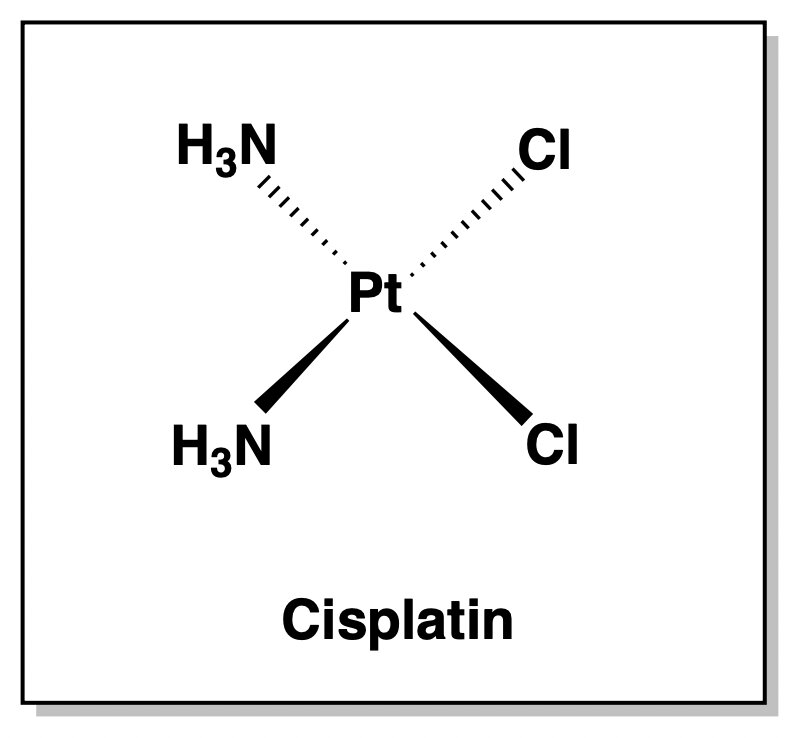
Figure 1. Molecular structure of cisplatin.
Once injected, cisplatin enters the bloodstream, and remains neutral and uncharged, allowing it to freely move through the bloodstream. Some portion of cisplatin will bind to plasma proteins, around 65% to 95%, and the remaining will enter tumor cells via passive diffusion across a plasma membrane. Cisplatin moves from outside the cell, to the inside, following the chloride concentration, which is lower than that of the extracellular space. Mechanistically, aquation occurs when the chloride ligands on cisplatin get replaced by water ligands. This activates cisplatin as a good electrophile for nearby nucleophiles, namely, nitrogen donor atoms in DNA.12 Cisplatin makes its way to DNA, where it forms inter- and intrastrand crosslinks with purine bases at N7 positions. Forming these adducts distorts the alpha-helix structure, which is detrimental to DNA function, as it impairs its ability to replicate, leading to cell death.7
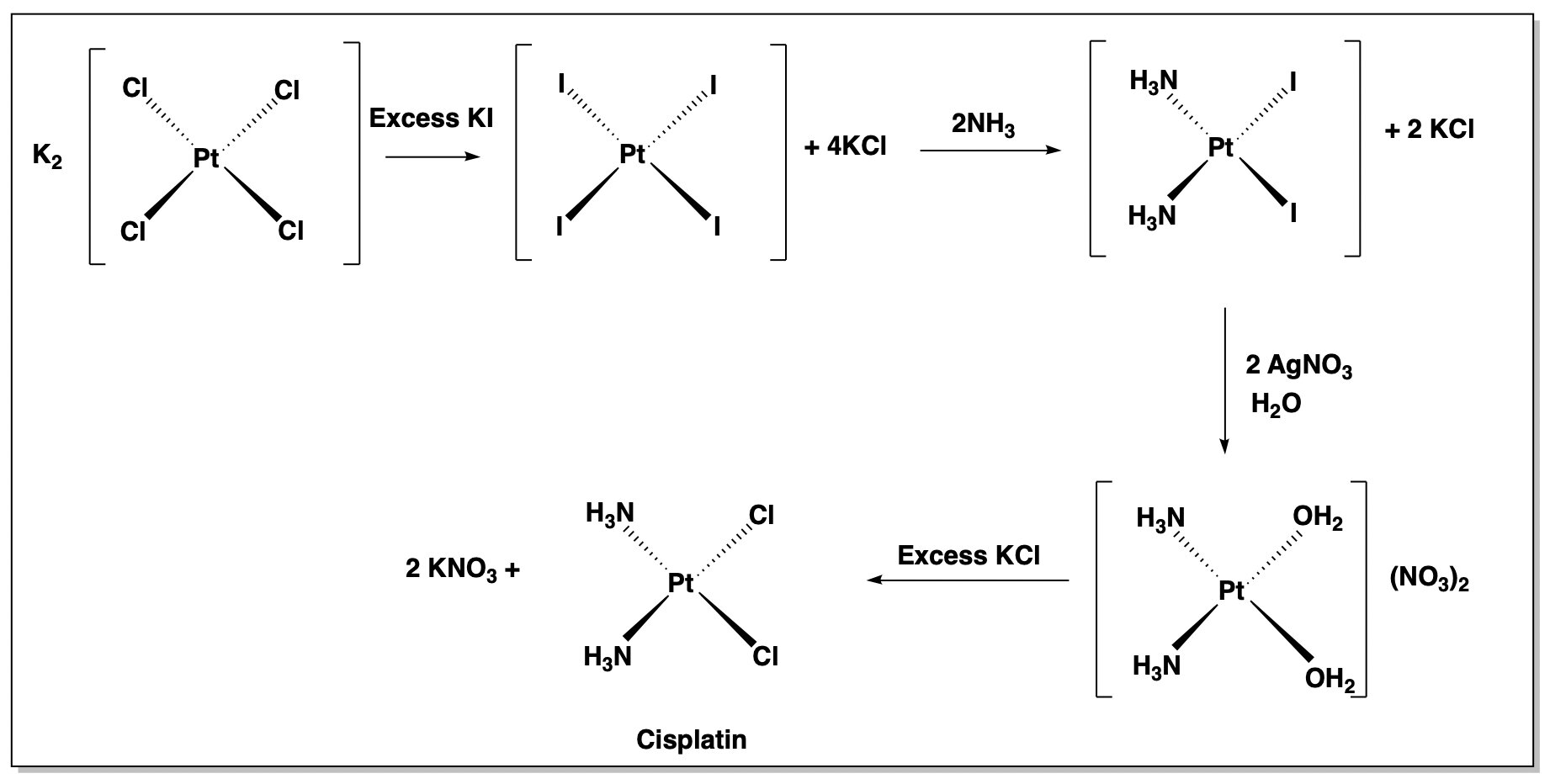
The synthesis of cisplatin is distinct from its isomer, transplatin.6 The scheme is demonstrated in Scheme 1, where potassium tetrachloroplatinate(II) is transformed into cis-diamminedichloro, or cisplatin via the Dhara method.6
A limitation of cisplatin during treatment is the ability of cancer cells to form a resistance to it. Different types of cancer cells have various resistance levels, but they are characterized into acquired resistance and intrinsic resistance. Acquired resistance is resistance that builds over time during treatment with cisplatin, whereas intrinsic resistance is pre-programmed into the cells. Resistance takes several forms, and some of which include decreased cellular uptake of the platinum-based compound, DNA repair, and drug detoxification.6 However, to combat this, there has been an influx of research centered around exploring other transition metal-based drugs.
Carboplatin
cis-diamine[1,1-cyclobutanedicarboxylato] platinum (II), otherwise known as carboplatin, a cisplatin analog, replaces the chloride ligands of cisplatin with a bidentate dicarboxylate group, as shown in Figure 2. A bidentate ligand is a group that has two donor atoms donating electron density into the metal center, and they generally have a higher binding affinity compared to monodentate ligands. This derivation from cisplatin increases the stability and lowers the reactivity of the platinum analog in plasma as compared to cisplatin. Because of this molecular change, carboplatin is a less toxic platinum analog than cisplatin without changing the efficacy of its antitumor effect.7
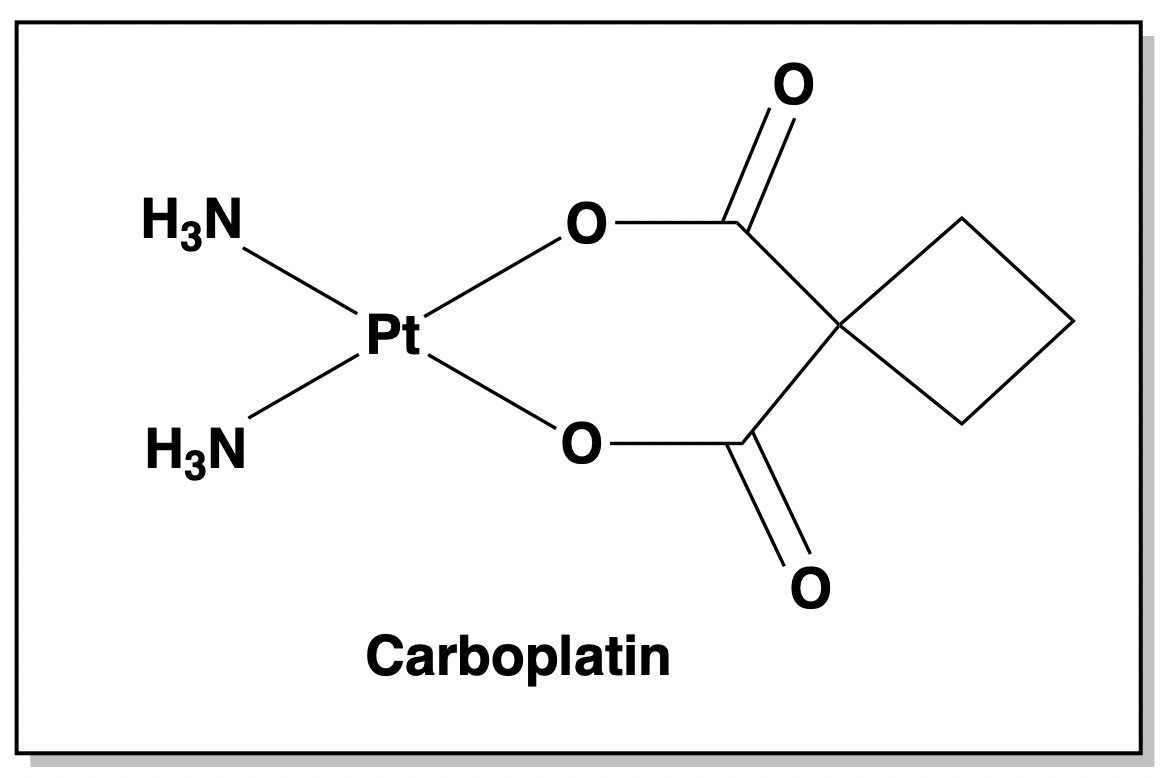
Figure 2. Molecular structure of carboplatin.
The active mechanism of carboplatin within the human body works very similarly to that of cisplatin, especially considering they are two very similar platinum analogs. While the amine groups on platinum (II) remain the same, what differs between them is the addition of an organic, bidentate ligand. Carboplatin, exhibits slower DNA binding kinetics and has been found to remain in the human body for longer than cisplatin based on studies exploring relative excretion of carboplatin versus cisplatin10.
To synthesize carboplatin, the bidentate ligand must first be made—1,1-cyclobutane-dicarboxylic acid. Then, to a mixture of cis-Pt(NH3)2I2 and silver nitrate after it had been reacting overnight, the dicarboxylic acid species was added to yield carboplatin.14 The iodine ligands on platinum were replaced by the organic bidentate ligand while the amine ligands remain untouched as demonstrated in Scheme 2.
Scheme 2. Synthesis of carboplatin.

Some notable limitations are that carboplatin is much less potent than cisplatin, necessitating a higher dose to achieve the same treatment as cisplatin. Carboplatin may be considered as a milder chemotherapy drug, which doctors can prescribe depending on the tumor type and likely aggressiveness.15 However, carboplatin is known for being a strong alternative to cisplatin with respect to lowered nephrotoxicity (toxicity to the kidneys), meaning that it is often prescribed to patients who cannot handle the potency of cisplatin.10 This decreased nephrotoxicity is a large reason why carboplatin may be preferred over other platinum-based chemotherapy drugs.
Oxaliplatin
The chemical name for oxaliplatin is (trans-1R,2R-cyclohexanediamine)platinum(II), and it is characterized by a bidentate 1,2-diaminocyclohexane and a bidentate oxalate ligand, which is a good leaving group. Oxaliplatin is notably better at binding to proteins than carboplatin,16 which makes it another comparable alternative as a platinum-based anticancer drug. Oxaliplatin is an alternative that is known to bypass cisplatin resistance despite being a similar platinum analog to it.17
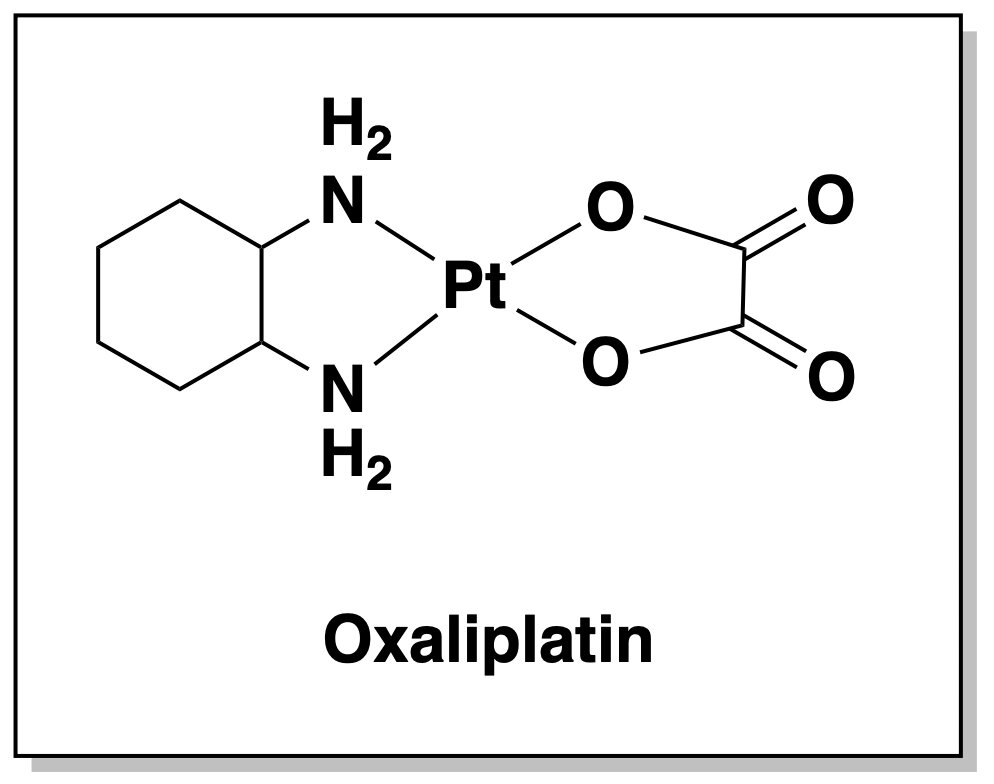
Figure 3. Molecular structure of oxaliplatin.
Oxaliplatin penetrates easily through cell membranes due to the chelating 1,2-diaminocyclohexane (DACH) ligand, which increases the lipophilicity—the ability to dissolve in fats, oils or lipids—of the molecule as a whole.18 Comparing the activity mechanism of oxaliplatin to cisplatin, they both utilize the same mode of translocation.17 To recall, once cisplatin enters the cell, it undergoes aquation to replace the two chlorine ligands with water ligands, which sufficiently activates cisplatin to bind to DNA at purine bases.7 In the case of oxaliplatin, the bidentate oxalate ligand will be substituted for the nitrogenous bases of DNA, ultimately achieving the same goal of distorting the alpha helix and facilitating cell apoptosis.
To synthesize oxaliplatin, first, the bidentate DACH ligand must be synthesized, followed by its addition onto K2PtCl2, effectively replacing the present potassium ligands, and finally treated with silver nitrate and sodium oxalate to add the bidentate oxalate ligand onto the platinum center.19 The scheme for the mechanism is also displayed in Scheme 3.
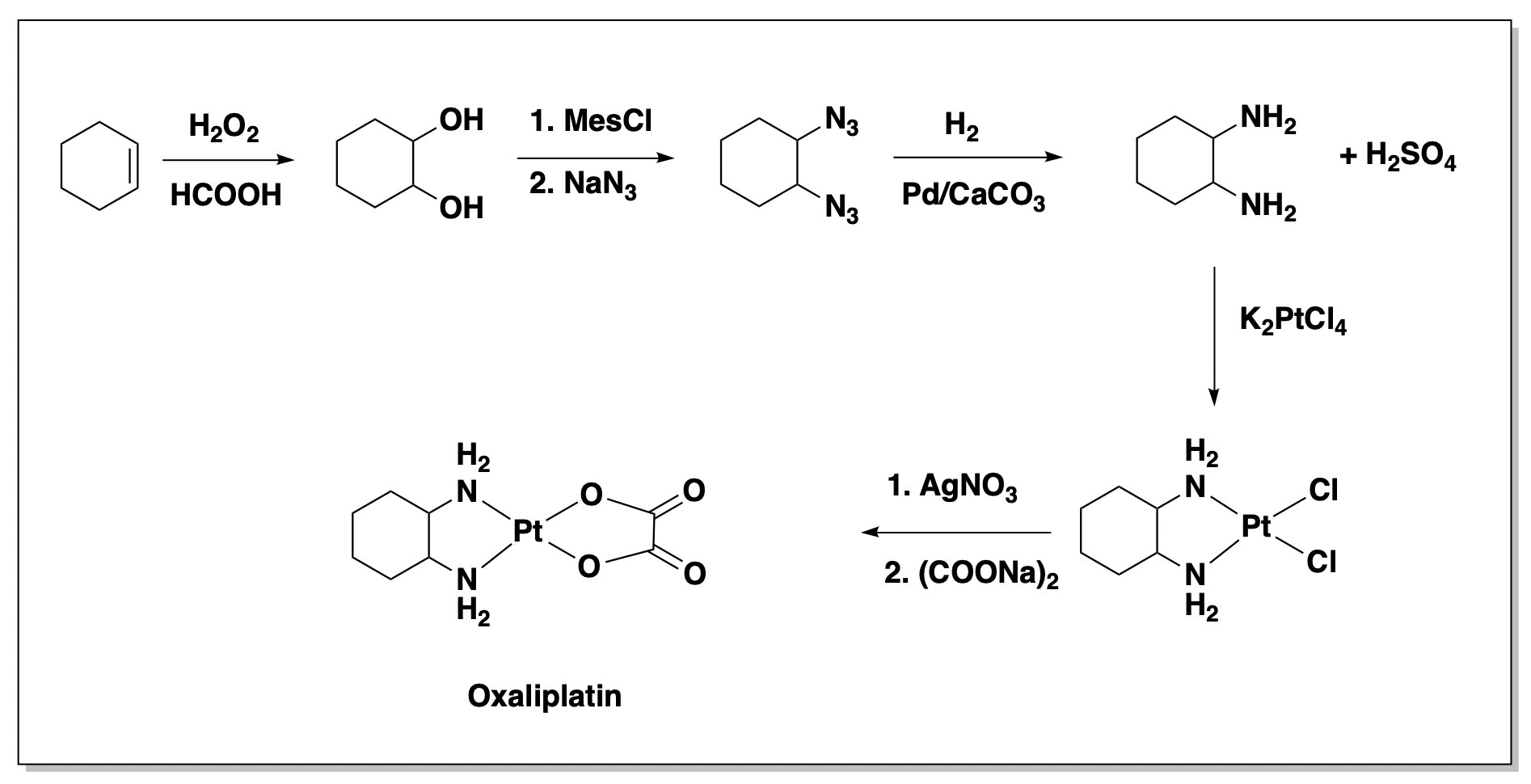
As mentioned, oxaliplatin may benefit patients who have developed resistance to cisplatin, which is a significant reason for incorporating oxaliplatin into treatment. However, studies have found that this effectiveness may be limited depending on the severity of platinum-based drug resistance.20 For example, if a patient has built a strong resistance to cisplatin, then switching to oxaliplatin would not produce improved results. Switching to oxaliplatin is beneficial for patients who have only received a small amount of resistance to cisplatin. Moreover, another limitation to oxaliplatin, just like the previous platinum analogs, is the limitation of toxicity. All of these medicinal inorganic compounds have severe symptoms, which increases the difficulty for clinical use. Oxaliplatin is known for causing acute neuropathy,21 nephrotoxicity, and ototoxicity—harm to the nervous system, kidneys, and ears, respectively—however, compared to its cisplatin predecessor, oxaliplatin demonstrates more neuropathy, less nephrotoxicity, and less ototoxicity.22
Overall, a large similarity between cisplatin, carboplatin, and oxaliplatin is the resistance that builds after extended treatment. This is notably troublesome for cancer patients who rely on chemotherapy with these platinum analogs as a chronic therapeutic treatment. To combat this, studies have shown that treatment of a platinum-based drug with an inhibitor of polo-like kinase 1, onvansertib, significantly reduced platinum resistance in mice.23 This is a promising result to the problem of platinum resistance. Additionally, there are several more platinum-based chemotherapy drugs that have been approved for clinical use in other countries, but they have not been approved in the United States. These forms include nedaplatin, lobaplatin, picoplatin, heptaplatin, and Miriplatin.6 Studies have shown that by alternating between platinum-based drugs, resistance to one specific one may be avoided, therefore optimizing treatment within cancer patients.
Ruthenium-Based Anticancer Agents
With the success of Pt-based compounds in clinical settings as anticancer drugs, naturally, the scientific community is eager to explore other transition metal options, such as drugs with ruthenium centers. While platinum-based drugs display antitumor effects for a limited list of cancers, researchers have begun exploring applications of ruthenium for many other common cancers.24 Unlike platinum complexes, ruthenium complexes are commonly subject to a reduction reaction from ruthenium (III) to ruthenium (II). Ligand exchange, however, does not occur as readily compared to platinum-based complexes, so their mechanisms of action are distinct. Although no ruthenium-based complexes have been approved by the FDA for antitumor treatment, there have been several clinical trials testing the efficacy and toxicity of various scaffolds. Only four ruthenium-based complexes have ever progressed to the clinical trial stage of research, of which two are ongoing, NKP-1339 and TLD-1433.
NKP-1339
Sodium trans[tetrachroidobis(1H-indazole)ruthenate(III)], otherwise known as NKP-1339, is a novel ruthenium-based complex known to display antitumor effects.25 This complex has shown promising results in combatting non-small cell lung cancer, colorectal carcinoma, and gastrointestinal neuroendocrine tumors.26 The structure of NKP-1339 is shown in Figure 4,27 demonstrating octahedral geometry with aromatic ligands attached 180 degrees from one another.
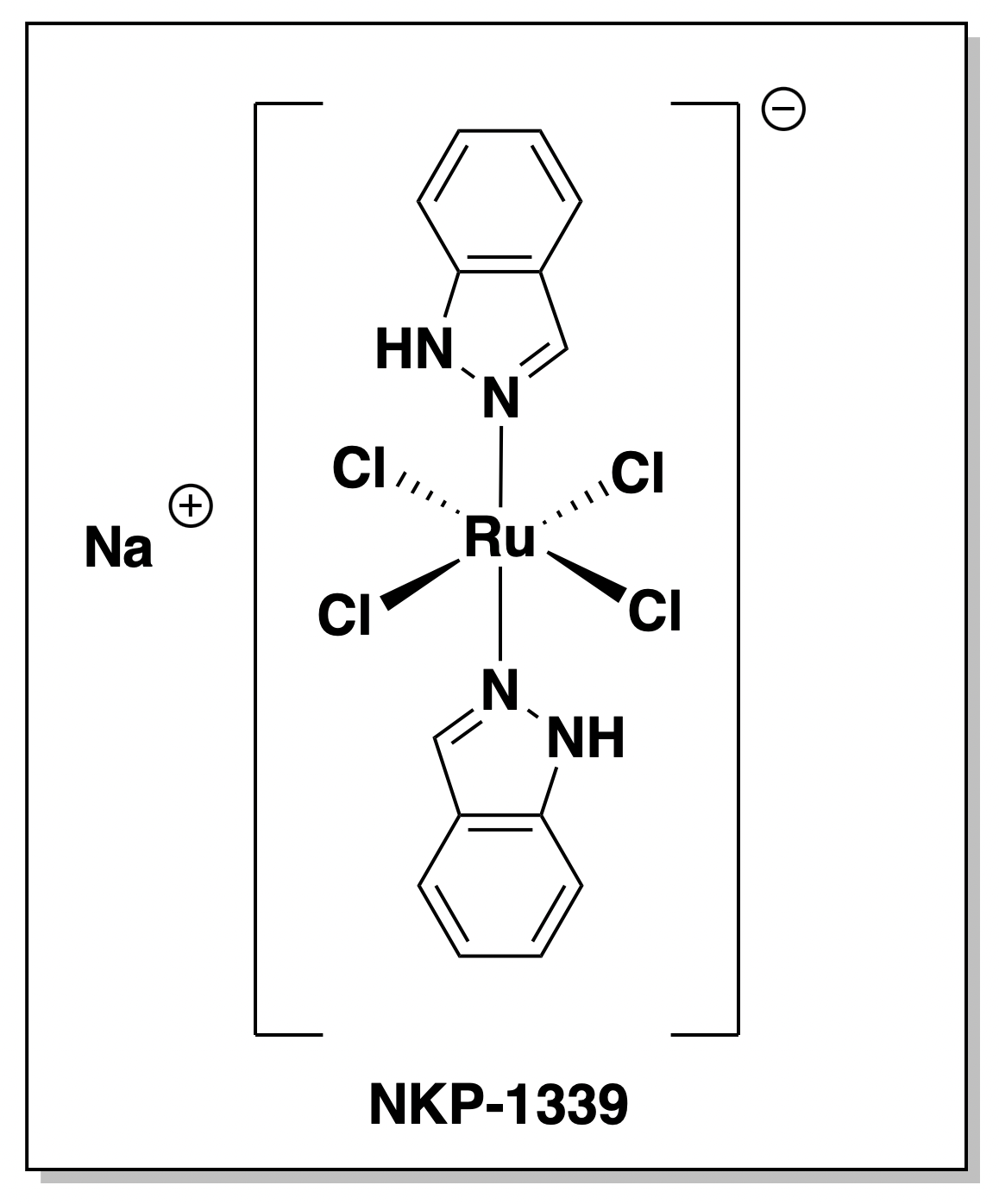
Figure 4. Structure of NKP-1339.
NKP-1339 is known to bind rapidly to a protein found in blood called albumin, which increases the rate of drug delivery due to the enhanced permeability and retention (EPR) effect. The EPR effect is characterized by the accumulation of macromolecules, such as albumin, in solid tumors, where they remain for an extended period of time because of poor lymphatic drainage—where the lymphatic system removes fluids in the interstitium.28 Once at the tumor site, NKP-1339 penetrates the oxygen-free environment of the cell, effectively reducing ruthenium (III) to the more reactive ruthenium (II) complex. The new complex then induces stress on the endoplasmic reticulum (ER) of the cell and interferes with the unfolded protein response by suppressing a major ER resident chaperone, GRP78. This chaperone is responsible for regulating protein damage and processing misfolded proteins, and without it, misfolded proteins are continuously produced and trigger cell death.26 In addition to ER stress, NKP-1339 has been known to increase the production of reactive oxygen species (ROS) within cells, effectively disrupting the intracellular balance and activating stress signaling pathways. Once the cells signal that they are undergoing stress, apoptotic signaling follows and is concluded by cell death.
The synthesis of NKP-1339 begins with a ruthenium (III) precursor, such as RuCl3 ∙ xH2O, which is treated with 1H-indazole ligands in acidic conditions with an abundance of chloride to yield the trans-[RuCl4(Ind)2]– center.27 Ideally, the abundance of chloride ion within solution helps to stabilize the planar tetrachloro characteristic of NKP-1339, making it a necessary mechanistic property of this synthesis. This part of the synthesis favors the trans isomer formation due to two factors: molecular geometry and substitution inhibition. The planar molecular geometry of the four coordinated chlorides promotes indazoles to coordinate opposite from one another. Furthermore, the high concentration of chloride inhibits substitution reactions where a chloride ligand is replaced by an indazole, thus forming the cis geometry. Also integral to the optimization of this synthetic pathway is the need for acidic conditions when adding the indazole ligands. There are two nitrogen atoms on indazole that can coordinate with ruthenium, so to ensure that the correct one donates its lone pair to ruthenium, the other nitrogen must be protonated, which is achieved in acidic conditions.27
A limitation of NKP-1339 is that high concentrations of the drug are needed for an appreciable result.26 However, this limitation is somewhat bypassed by the efficacy of albumin transporting and accumulating within target tumor cells via the EPR effect. This relationship between the two molecules is ultimately why NKP-1339 can accumulate in such high concentrations at the site of the tumor, making it an effective chemotherapy drug. Moreover, it is important to keep in mind that complete limitations, such as notable side effects, have yet to be discovered as this drug is still undergoing the phases within clinical trials. Once more people are treated with this drug, naturally more definitive side effects and limitations will be outlined.
TLD-1433
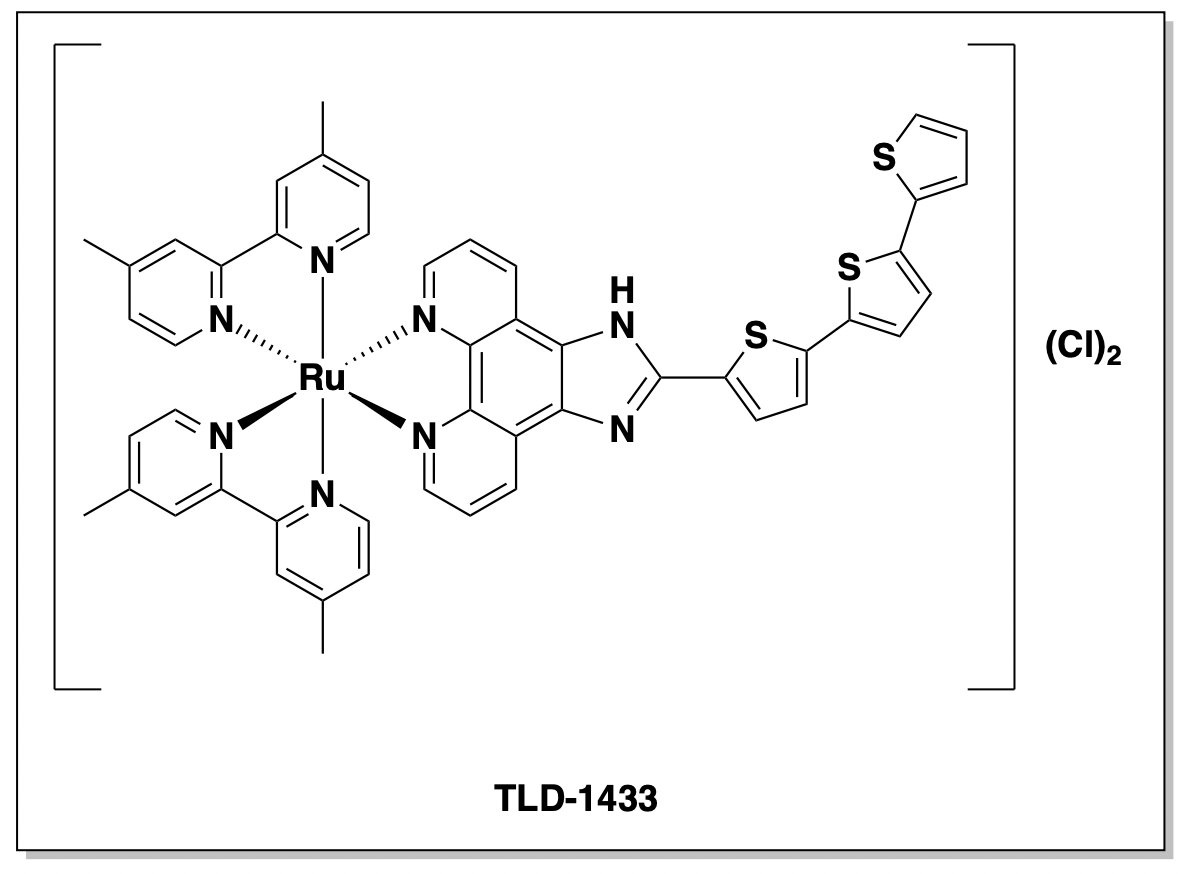
TLD-1433, otherwise known as bis(4-methyl-2-(4-methyl-2-pyridinyl)pyridine);ruthenium(2+);2-[5-(5-thiophen-2-ylthiophen-2-yl)thiophen-2-yl]-1H-imidazo[4,5][1,10]phenanthroline;dichloride, is a ruthenium complex that has been recently developed for the use of photodynamic therapy (PDT).29 TLD-1433 is light activated, only activated by dark or green light with a wavelength of approximately 520 nm.30 While still under the process of undergoing clinical trials, TLD-1433 is expected to show promising results when treating non-muscle invasive bladder cancer (NMIBC), especially when other types of immunotherapies, such as Bacillus Calmette-Guerin, demonstrate unproductive results.31 Aside from treating bladder cancer, TLD-1433 has been discovered to treat conjunctival melanoma, a rare yet deadly ocular cancer. A study was conducted on zebrafish xenograft models to explore treatment options for conjunctival melanoma, and TLD-1433 showed promising results. The drug demonstrated activity in a broad range of conjunctival melanoma and eye melanoma cells in vitro, while also showing anticancer activity in zebrafish embryo tumor models of conjunctival melanoma.32 Overall, this novel ruthenium-based anticancer drug has been expected to treat topically accessible cancers, including NMIBC and conjunctival melanoma.
Figure 5. Molecular Structure of TLD-1433.
Exploring how TLD1433 operates physiologically, it depends on a particular quality of tumor cells. Compared to normal cells, tumor cells have a higher abundance of transferrin receptors,33 which is integral to using TLD-1433 as an anticancer treatment.29 TLD-1433 is a light-activated compound, activated by green light (525nm). Additionally, TLD-1433 is activated locally, suggesting that the effects of treatment are more potent at the site of the tumor being treated. Once TLD-1433 becomes activated, it induces the generation of reactive oxygen species (ROS) and singlet oxygen.34 ROS and singlet oxygen cause oxidative damage within cells, which is detrimental and induces cell apoptosis.
TLD-1433 is notably large and contains several complex organic ligands. The synthesis for similar derivatives is highlighted in Scheme 4.35 First, phenanthroline undergoes sulfonation to produce a 5-sulfonated intermediate; then, once treated with Br2 and worked up, the necessary halide, 5-bromo-1,10-phenanthroline, for the Stille coupling is generated. Separately, an oligothiophene is lithiated before being treated with Bu3SnCl, generating the Stille coupling reagent, some derivative of tributylstannyl oligothiophene. In the case of generating TLD-1433, terthiophene is used and generates tributylstannyl terthiophene with three thiophene rings tethered together. Then, these two pieces are coupled together by the Stille cross-coupling reaction, yielding the IP-nT ligand. Finally, this product is allowed to react with Ru(bpy)2Cl2, which undergoes a simple ligand exchange. The two Cl ligands are replaced by the two nitrogen atoms of the IP-nT ligand, therefore yielding a ruthenium-based anti-cancer agent.36
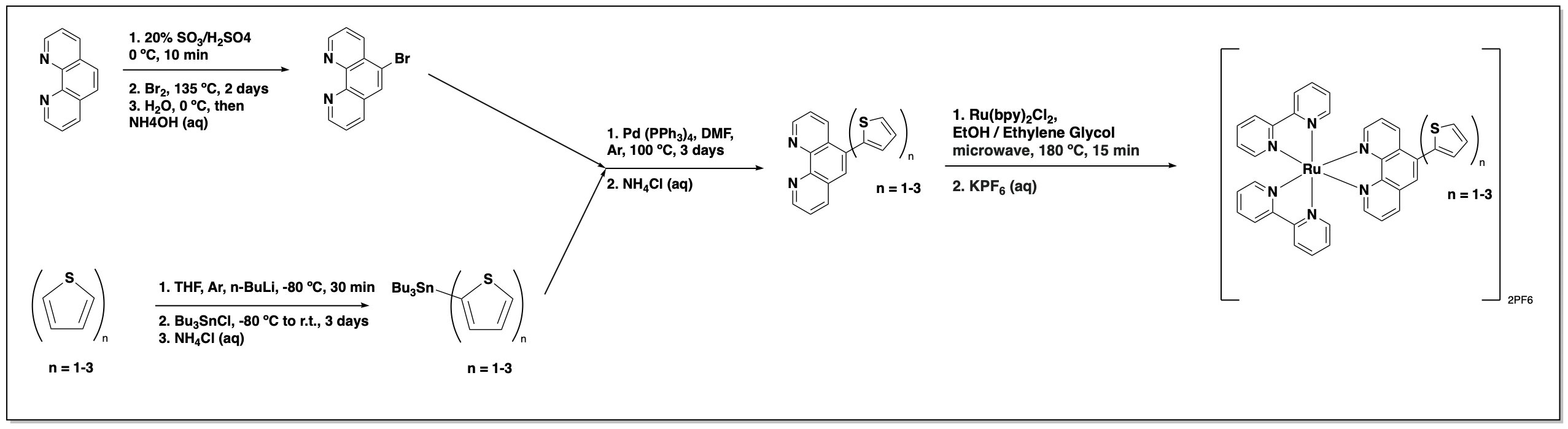
While still in clinical development, TLD-1433 has already faced some notable limitations. For example, TLD-1433 is known to exhibit significantly reduced activity in hypoxic cells, thereby limiting its effectiveness in hypoxic solid tumors.37 Hypoxia—the lack of oxygen—in tumors may develop for a number of reasons, primarily due to the complexity of the tumor as it is characterized by a disorganized vascular network, giving these cells the unique feature of hypoxia.38, 39 Additionally, due to green light only being able to penetrate a few millimeters into tissue, this drug is limited to tumors near the surface of the skin rather than deep solid tumors.37 Something to note about the synthetic preparation of this drug is that it is sensitive to light exposure, making shelf-life a challenging issue.30
These two ruthenium-based anticancer drugs have shown groundbreaking progress and demonstrate hope for the future of transition metal-based anticancer drugs. As research on ruthenium-based chemotherapy drugs progresses, the horizon of their potential continues to expand. The unique versatility of ruthenium paired with its generally favorable toxicity profile position these compounds as strong candidates to treat several common cancers. Although only two ruthenium-based compounds have made it to the clinical trial stages, the progress of NKP-1339 and TLD-1433 underscores the growing potential that transition metal-based scaffolds have in chemotherapy. If research continues along this path of making steady progress with respect to evaluating the structures, activity, and limitations of ruthenium-based drugs, more doors will open to utilizing other transition metals as viable centers for medicine.
Comparisons and Future Advancement
While the individual operations of these drugs are important, their comparisons are also noteworthy. Knowing which drug to use in a clinical setting is inherently useful for treating patients with specific cases and diagnoses. The working mechanisms for how platinum- and ruthenium-based drugs are very distinct. Platinum-based drugs largely operate by forming crosslinks with DNA, effectively ruining the structure and promoting cell apoptosis by halting DNA replication.7 However, ruthenium-based drugs rely on exploiting specific proteins for physiological transport and redox characteristics of the microenvironment of the tumor to induce a stress response.28, 31
Comparing the platinum-based drugs to one another, their different ligands affect their biological activities and toxicity profiles. Of the three discussed, cisplatin is the most potent platinum-based anticancer agent, and because of this, it is limited in clinical use due to recorded damage to the kidneys, ears, and nervous system.10 This limitation left room for another platinum-based drug to enter the arena—carboplatin. Carboplatin is significantly less potent than its parent cisplatin, however, that does not omit it from having side effects. A large downside to carboplatin, other than needing high levels of it for effective treatment due to the significantly less potency effect, is myelosuppression. Myelosuppression is described as the decreased activity of bone marrow, leading to lower levels of red blood cells, white blood cells, and platelets. A study was done with paclitaxel carboplatin to assess the efficacy of the drug in patients with recurrent/metastatic cervical carcinoma, and the myelosuppression was a notable side effect.40 Finally, oxaliplatin is mostly used when treating colorectal cancer due to its success producing unique DNA lesions that help overcome the issue of platinum resistance.41 However, as mentioned, patients treated with oxaliplatin observed a higher intensity of neuropathy yet lower levels of ototoxicity and nephrotoxicity compared to those of cisplatin and carboplatin.22 These platinum-based drugs are the only ones available for clinical treatment in the United States, but research has been further progressing to explore other transition metal options, such as ruthenium, to broaden treatment options for cancer patients.
Now, comparing the ruthenium-based anticancer agents is not as definitive due to the sheer time they have been in development. Compared to their platinum-based analogs, ruthenium-based compounds have not been seen outside of clinical trials. However, their physiological mechanism is known to be distinct from platinum-based drugs. The efficacy of ruthenium-based anticancer drugs was initially explored to combat the increasing problem of platinum resistance.6 NKP-1339 and TLD-1433 are unique in their abilities to perform in a hypoxic environment. NKP-1339 is known to demonstrate activity within hypoxic environments,26 whereas that is the limitation of TLD-1433 as it demonstrates significantly reduced activity within hypoxic environments.37 Furthermore, NKP-1339 relies on the quality of albumin buildup in tumor cells28 while TLD-1433 relies on the quality of high amounts of transferrin receptors in tumor cells.31
Overall, there are benefits and downsides to using each drug, and treatment options ultimately depend on the patient, their diagnosis, and their physician. Hopefully, if the problem of drug resistance emerges in the future, inorganic medicinal chemistry will have developed enough to provide safe alternatives for patients. As of now, researchers are still exploring the effects of different transition metal-based drugs, and proceeding into clinical trials is a tedious process yet a much needed one.
Looking forward, there is so much more to explore with respect to the capabilities of different transition metal-based anticancer drugs. Other transition metals, such as gold, have been picking up in the world of inorganic medicinal chemistry. The incorporation of bile acids as vectorizing ligands has been found to affect both the kinetic behavior and cellular uptake of platinum and gold complexes, therefore influencing cytotoxicity of both complexes.42 With the emergence of new transition metal complexes in modern medicine, there is so much to explore and learn about how each one works physiologically.
Conclusion
Platinum- and ruthenium-based complexes have grown increasingly popular over the last many decades for their efficacy in treating malignant tumors. With the success of platinum analogs as anticancer drugs, research continues to explore other transition metals as chemotherapeutic agents. The unique chemical versatility of ruthenium, combined with its generally favorable toxicity profile, makes this metal a solid candidate for chemotherapy. While platinum-based anticancer agents have advanced further than cisplatin, resistance to platinum-based anticancer therapy is a rising issue, and exploring other transition metal-based anticancer drugs is integral to the development of cancer treatment options for different types of cancers. Continued refinement of ligand frameworks, deeper understanding of structural activity, and advances in targeted delivery strategies are steadily positioning ruthenium to foster a new generation of anticancer drugs. By comparing the structures, mechanisms, syntheses, and limitations of each inorganic anticancer drug, a clearer picture emerges of how novel metal-based therapies are explored to broaden the treatment profile for cancer patients today.
References
(1) Institute, N. C. Cancer Stat Facts: Cancer of Any Site. 2025. https://seer.cancer.gov/statfacts/html/all.html (accessed 2026).
(2) Institute, N. C. The “Accidental” Cure—Platinum-based Treatment for Cancer: The Discovery of Cisplatin. 2014.
(3) Clinic, C. Chemotherapy Drugs. 2022.
(4) Rosenberg, B.; Vancamp, L.; Krigas, T. Inhibition of Cell Division in Escherichia Coli by Electrolysis Products from a Platinum Electrode. Nature 1965, 205, 698–699. DOI: 10.1038/205698a0 From NLM Medline.
(5) Frezza, M.; Hindo, S.; Chen, D.; Davenport, A.; Schmitt, S.; Tomco, D.; Dou, Q. P. Novel metals and metal complexes as platforms for cancer therapy. Curr Pharm Des 2010, 16 (16), 1813–1825. DOI: 10.2174/138161210791209009 From NLM Medline.
(6) Sahoo, D.; Deb, P.; Basu, T.; Bardhan, S.; Patra, S.; Sukul, P. K. Advancements in platinum-based anticancer drug development: A comprehensive review of strategies, discoveries, and future perspectives. Bioorg Med Chem 2024, 112, 117894. DOI: 10.1016/j.bmc.2024.117894 From NLM Medline.
(7) Kelland, L. The resurgence of platinum-based cancer chemotherapy. Nature Reviews Cancer 2007, 7 (8), 573–584. DOI: 10.1038/nrc2167.
(8) Ishida, S.; Lee, J.; Thiele, D. J.; Herskowitz, I. Uptake of the anticancer drug cisplatin mediated by the copper transporter Ctr1 in yeast and mammals. Proc Natl Acad Sci U S A 2002, 99 (22), 14298–14302. DOI: 10.1073/pnas.162491399 From NLM Medline.
(9) Clarke, M. J.; Zhu, F.; Frasca, D. R. Non-Platinum Chemotherapeutic Metallopharmaceuticals. Chemical Reviews 1999, 99 (9), 2511–2534. DOI: 10.1021/cr9804238.
(10) Dasari, S.; Tchounwou, P. B. Cisplatin in cancer therapy: molecular mechanisms of action. Eur J Pharmacol 2014, 740, 364–378. DOI: 10.1016/j.ejphar.2014.07.025 From NLM Medline.
(11) Leon, I. E. Transition metal complexes: a new generation of anticancer drugs. Future Med Chem 2024, 16 (17), 1727–1730. DOI: 10.1080/17568919.2024.2383166 From NLM Medline.
(12) Ang, W. H.; Myint, M.; Lippard, S. J. Transcription inhibition by platinum-DNA cross-links in live mammalian cells. J Am Chem Soc 2010, 132 (21), 7429–7435. DOI: 10.1021/ja101495v From NLM Medline.
(13) Dhara, S. C. Unprecedented one-pot synthesis of an unsymmetrical cisplatin-based Pt(IV)-acetamidato complex. Indian J Chem 1970, 8, 193–194.
(14) Di Pasqua, A. J.; Goodisman, J.; Kerwood, D. J.; Toms, B. B.; Dubowy, R. L.; Dabrowiak, J. C. Activation of Carboplatin by Carbonate. Chemical Research in Toxicology 2006, 19 (1), 139–149. DOI: 10.1021/tx050261s.
(15) Go, R. S.; Adjei, A. A. Review of the comparative pharmacology and clinical activity of cisplatin and carboplatin. J Clin Oncol 1999, 17 (1), 409–422. DOI: 10.1200/jco.1999.17.1.409 From NLM.
(16) Alassadi, S.; Pisani, M. J.; Wheate, N. J. A chemical perspective on the clinical use of platinum-based anticancer drugs. Dalton Trans 2022, 51 (29), 10835–10846. DOI: 10.1039/d2dt01875f From NLM Medline.
(17) Chaney, S. G.; Vaisman, A. Specificity of platinum-DNA adduct repair. J Inorg Biochem 1999, 77 (1-2), 71–81. DOI: 10.1016/s0162-0134(99)00149-x From NLM Medline.
(18) M.A. Fuertes, J. C., C. Alonso, J.M. Perez. Novel concepts in the development of platinum antitumor drugs. Curr Med Chem Anticancer Agents 2002, 2, 539–551.
(19) Habala, L.; Galanski, M. S.; Yasemi, A.; Nazarov, A. A.; von Keyserlingk, N. G.; Keppler, B. K. Synthesis and structure-activity relationships of mono- and dialkyl-substituted oxaliplatin derivatives. European Journal of Medicinal Chemistry 2005, 40 (11), 1149–1155. DOI: https://doi.org/10.1016/j.ejmech.2005.06.003.
(20) Stordal, B.; Pavlakis, N.; Davey, R. Oxaliplatin for the treatment of cisplatin-resistant cancer: a systematic review. Cancer Treat Rev 2007, 33 (4), 347–357. DOI: 10.1016/j.ctrv.2007.01.009 From NLM.
(21) Alcindor, T.; Beauger, N. Oxaliplatin: a review in the era of molecularly targeted therapy. Curr Oncol 2011, 18 (1), 18–25. DOI: 10.3747/co.v18i1.708 From NLM.
(22) Montagnani, F.; Turrisi, G.; Marinozzi, C.; Aliberti, C.; Fiorentini, G. Effectiveness and safety of oxaliplatin compared to cisplatin for advanced, unresectable gastric cancer: a systematic review and meta-analysis. Gastric Cancer 2011, 14 (1), 50–55. DOI: 10.1007/s10120-011-0007-7 From NLM.
(23) Guffanti, F.; Mengoli, I.; Ricci, F.; Perotti, L.; Capellini, E.; Sala, L.; Canesi, S.; Wu, C. C.; Fruscio, R.; Ridinger, M.; et al. Onvansertib-Based Second-Line Therapies in Combination with Gemcitabine and Carboplatin in Patient-Derived Platinum-Resistant Ovarian Carcinomas. Int J Mol Sci 2025, 26 (12). DOI: 10.3390/ijms26125708 From NLM Medline.
(24) Lee, S. Y.; Kim, C. Y.; Nam, T. G. Ruthenium Complexes as Anticancer Agents: A Brief History and Perspectives. Drug Des Devel Ther 2020, 14, 5375–5392. DOI: 10.2147/DDDT.S275007 From NLM Medline.
(25) Rademaker-Lakhai, J. M.; van den Bongard, D.; Pluim, D.; Beijnen, J. H.; Schellens, J. H. A Phase I and pharmacological study with imidazolium-trans-DMSO-imidazole-tetrachlororuthenate, a novel ruthenium anticancer agent. Clin Cancer Res 2004, 10 (11), 3717–3727. DOI: 10.1158/1078-0432.CCR-03-0746 From NLM Medline.
(26) Flocke, L. S.; Trondl, R.; Jakupec, M. A.; Keppler, B. K. Molecular mode of action of NKP-1339 – a clinically investigated ruthenium-based drug – involves ER- and ROS-related effects in colon carcinoma cell lines. Invest New Drugs 2016, 34 (3), 261–268. DOI: 10.1007/s10637-016-0337-8 From NLM Medline.
(27) Kuhn, P. S.; Pichler, V.; Roller, A.; Hejl, M.; Jakupec, M. A.; Kandioller, W.; Keppler, B. K. Improved reaction conditions for the synthesis of new NKP-1339 derivatives and preliminary investigations on their anticancer potential. Dalton Trans 2015, 44 (2), 659–668. DOI: 10.1039/c4dt01645a From NLM Medline.
(28) Maeda, H.; Wu, J.; Sawa, T.; Matsumura, Y.; Hori, K. Tumor vascular permeability and the EPR effect in macromolecular therapeutics: a review. J Control Release 2000, 65 (1-2), 271–284. DOI: 10.1016/s0168-3659(99)00248-5 From NLM Medline.
(29) Jakubaszek, M.; Goud, B.; Ferrari, S.; Gasser, G. Mechanisms of action of Ru(ii) polypyridyl complexes in living cells upon light irradiation. Chem Commun (Camb) 2018, 54 (93), 13040–13059. DOI: 10.1039/c8cc05928d From NLM Medline.
(30) Shi, G.; Monro, S.; Hennigar, R.; Colpitts, J.; Fong, J.; Kasimova, K.; Yin, H. M.; DeCoste, R.; Spencer, C.; Chamberlain, L.; et al. Ru(II) dyads derived from α-oligothiophenes: A new class of potent and versatile photosensitizers for PDT. Coordin Chem Rev 2015, 282, 127–138. DOI: 10.1016/j.ccr.2014.04.012.
(31) Kaspler, P.; Lazic, S.; Forward, S.; Arenas, Y.; Mandel, A.; Lilge, L. A ruthenium(ii) based photosensitizer and transferrin complexes enhance photo-physical properties, cell uptake, and photodynamic therapy safety and efficacy. Photochem Photobiol Sci 2016, 15 (4), 481–495. DOI: 10.1039/c5pp00450k From NLM Medline.
(32) Chen, Q.; Ramu, V.; Aydar, Y.; Groenewoud, A.; Zhou, X. Q.; Jager, M. J.; Cole, H.; Cameron, C. G.; McFarland, S. A.; Bonnet, S.; et al. TLD1433 Photosensitizer Inhibits Conjunctival Melanoma Cells in Zebrafish Ectopic and Orthotopic Tumour Models. Cancers (Basel) 2020, 12 (3). DOI: 10.3390/cancers12030587 From NLM PubMed-not-MEDLINE.
(33) Torti, S. V.; Torti, F. M. Cellular iron metabolism in prognosis and therapy of breast cancer. Crit Rev Oncog 2013, 18 (5), 435–448. DOI: 10.1615/critrevoncog.2013007784 From NLM Medline.
(34) Sainuddin, T.; Pinto, M.; Yin, H.; Hetu, M.; Colpitts, J.; McFarland, S. A. Strained ruthenium metal-organic dyads as photocisplatin agents with dual action. J Inorg Biochem 2016, 158, 45–54. DOI: 10.1016/j.jinorgbio.2016.01.009 From NLM Medline.
(35) Smithen, D. A.; Yin, H.; Beh, M. H.; Hetu, M.; Cameron, T. S.; McFarland, S. A.; Thompson, A. Synthesis and Photobiological Activity of Ru(II) Dyads Derived from Pyrrole-2-carboxylate Thionoesters. Inorg Chem 2017, 56 (7), 4121–4132. DOI: 10.1021/acs.inorgchem.7b00072 From NLM PubMed-not-MEDLINE.
(36) Ghosh, G.; Yin, H.; Monro, S. M. A.; Sainuddin, T.; Lapoot, L.; Greer, A.; McFarland, S. A. Synthesis and Characterization of Ru(II) Complexes with pi-Expansive Imidazophen Ligands for the Photokilling of Human Melanoma Cells. Photochem Photobiol 2020, 96 (2), 349–357. DOI: 10.1111/php.13177 From NLM Medline.
(37) Fong, J.; Kasimova, K.; Arenas, Y.; Kaspler, P.; Lazic, S.; Mandel, A.; Lilge, L. A novel class of ruthenium-based photosensitizers effectively kills in vitro cancer cells and in vivo tumors. Photochem Photobiol Sci 2015, 14 (11), 2014–2023. DOI: 10.1039/c4pp00438h From NLM Medline.
(38) Xu, H.; Cui, Y.; Tian, Y.; Dou, M.; Sun, S.; Wang, J.; Wu, D. Nanoparticle-Based Drug Delivery Systems for Enhancing Bone Regeneration. ACS Biomater Sci Eng 2024, 10 (3), 1302–1322. DOI: 10.1021/acsbiomaterials.3c01643 From NLM Medline.
(39) Hanahan, D. Hallmarks of Cancer: New Dimensions. Cancer Discov 2022, 12 (1), 31–46. DOI: 10.1158/2159-8290.CD-21-1059 From NLM Medline.
(40) Mailankody, S.; Dhanushkodi, M.; Ganesan, T. S.; Radhakrishnan, V.; Christopher, V.; Ganesharajah, S.; Sagar, T. G. Recurrent cervical cancer treated with palliative chemotherapy: real-world outcome. Ecancermedicalscience 2020, 14, 1122. DOI: 10.3332/ecancer.2020.1122 From NLM PubMed-not-MEDLINE.
(41) Fang, J.; Zhu, Q.; Hong, B.; Li, X.; Wang, H. An integrative analysis of transcriptome, methylome and single-cell RNA sequencing data identifies UBE2H as a marker of oxaliplatin resistance in colorectal cancer. Cancer Cell Int 2025, 25 (1), 383. DOI: 10.1186/s12935-025-03996-4 From NLM PubMed-not-MEDLINE.
(42) Criado, J. J.; Manzano, J. L.; Rodriguez-Fernandez, E. New organotropic compounds. Synthesis, characterization and reactivity of Pt(II) and Au(III) complexes with bile acids: DNA interactions and ‘in vitro’ anticancer activity. J Inorg Biochem 2003, 96 (2-3), 311–320. DOI: 10.1016/s0162-0134(03)00240-x From NLM Medline.
Acknowledgements: This author is very grateful to have had the support of her professors, Prof. Jensen and Prof. Ferreira, while she composed this review. She would like to thank Prof. Jensen for her unwavering encouragement during her course and Prof. Ferreira for his extensively helpful review and feedback
Citation Style: ACS